









Empowering Education
93% of Teachers Trained in Project-Based Learning Report Enhanced Teaching Skills, with 96% of Headmasters Supporting Its Impact on 21st-Century Skills Development.


Andhra Pradesh
Schools with PBL = 105
Teachers Trained = 240
Students Impacted = 11513
Nagaland
Schools with PBL = 300
Teachers Trained = 600
Students Impacted = 8700
Odisha
Residential Schools with PBL = 80
Districts = 4
Students Impacted = 11000
Bihar
Schools with PBL = 156
Teachers Trained = 1000
Students Impacted = 50000


To bridge the literacy and numeracy learning gap in learners from backward classes in MJPAPBCWREIS schools.

To promote sustainable practices for PBL and learning by doing.

To build capacity and momentum for PBL as a mechanism to improve the quality of teaching and learning at scale in India in a sustainable way
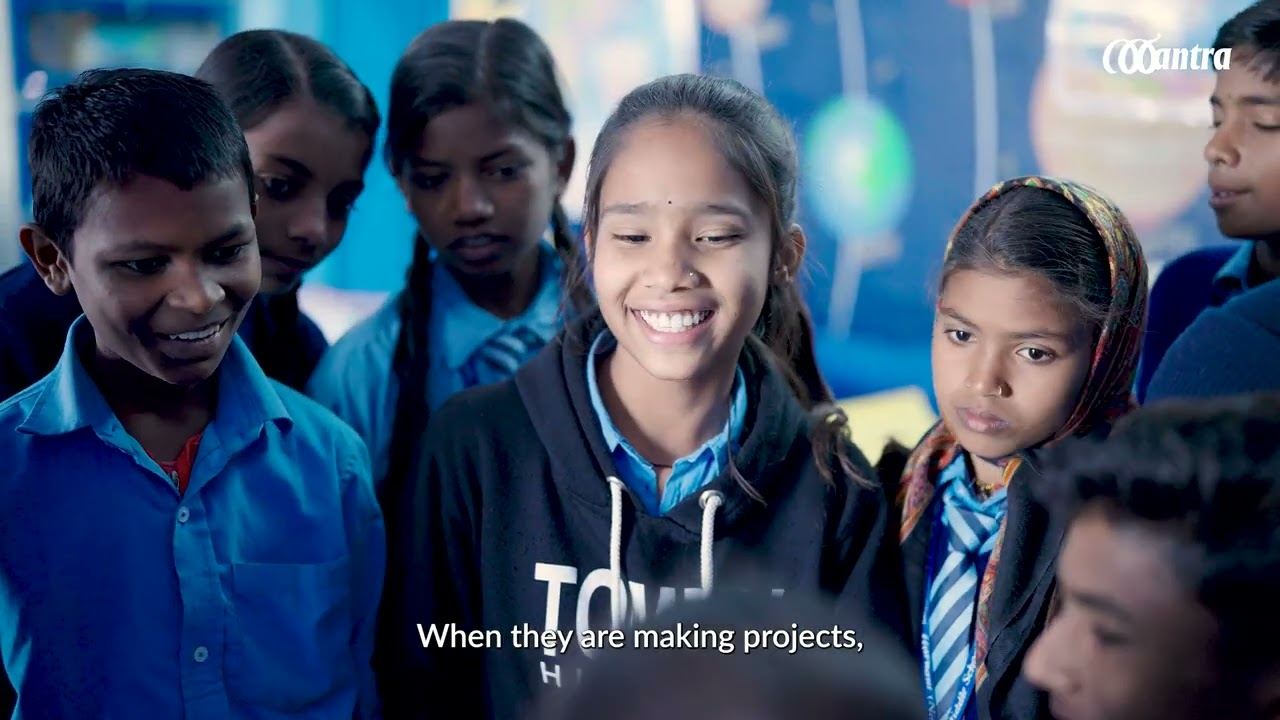
Project-based learning not only fosters academic growth but also nurtures 21st-century skills among students, such as collaboration, critical thinking, curiosity, problem-solving, teamwork, and leadership abilities. Unlike traditional teaching methods, project-based learning offers an alternative that transcends the mere imparting of subject knowledge, addressing the holistic development of students engagingly and dynamically.
The National Education Policy (NEP 2020) proposes using project-based learning in various ways. It offers holistic and multi-dimensional means to assess and communicate student progress by incorporating project-based learning into the curriculum. It also insists that early childhood care and education consists of “multi-faceted, play and activity-based learning”. Under their larger goal that “learning should be holistic, integrated, enjoyable and engaging”, the NEP insists on using activity-based learning from Anganwadi/pre-school levels to Grade 5. Further, with the growth of online and hybrid learning media over the past couple of years, the NEP suggests blending experiential and activity-based learning with online education to cater to the social, affective, and psychomotor dimensions of learning. The NEP recognises the need for project-based approaches to learning for holistic student assessments, of students with special needs, early childhood care and education, and online learning and to promote a more holistic approach to student learning and outcomes.
Project-Based Learning is being implemented across four states in India. In Andhra Pradesh, it is part of teaching English, Math, and Science in 107 residential schools. In Bihar, the approach is being used in nearly 29,000 government schools across all 38 districts, focusing on Science and Math. In Odisha, it is integrated into Odia and Social Science in 80 residential schools across four districts. In Nagaland, PBL is being implemented in 300 government schools in Dimapur and Kiphire, with a focus on English and Math.
A concise overview of PBL training, current projects, completed initiatives, and the results they’ve achieved.
Explore our strategic framework for driving comprehensive and sustainable change through project-based learning.


Our approach is to address the issues in the education system by supporting and developing the capabilities of stakeholders running the system.
Project-Based Learning (PBL) is being implemented across 107 residential schools in Andhra Pradesh under the Mahatma Jyotiba Phule Andhra Pradesh Backward Classes Welfare Residential Educational Institutions Society (MJPAPBCWREIS). The intervention focuses on improving conceptual understanding in subjects like English and Math. Students engage in projects that help them connect classroom learning with real-life situations, encouraging active participation, questioning, and problem-solving. The approach aims to move away from rote learning and support deeper understanding and application of concepts.
A two-day offline workshop was conducted for all the society’s grade 6 & 7 English and Math teachers. This workshop took place in three different places, Simhachalam, Nandalur and Amalapuram, for the ease of teachers to travel to the closest place to their respective schools for the workshop.
The workshop’s objective was to give all the teachers an idea of the What, Why and How of PBL. The different structures and processes they will be following for the academic year concerning PBL implementation in their schools.
The workshop also had a simulation of teachers taking up a challenge(Marshmallow Challenge) where they were asked to work in teams to give them all an understanding of how a PBL classroom would look like.
Teachers were also made to go through the lesson plans of PBL, and some critical feedback was taken from them, which helped us to make it easier for the teachers to implement it in the classroom.
Hear firsthand experiences from those at the heart of our work.


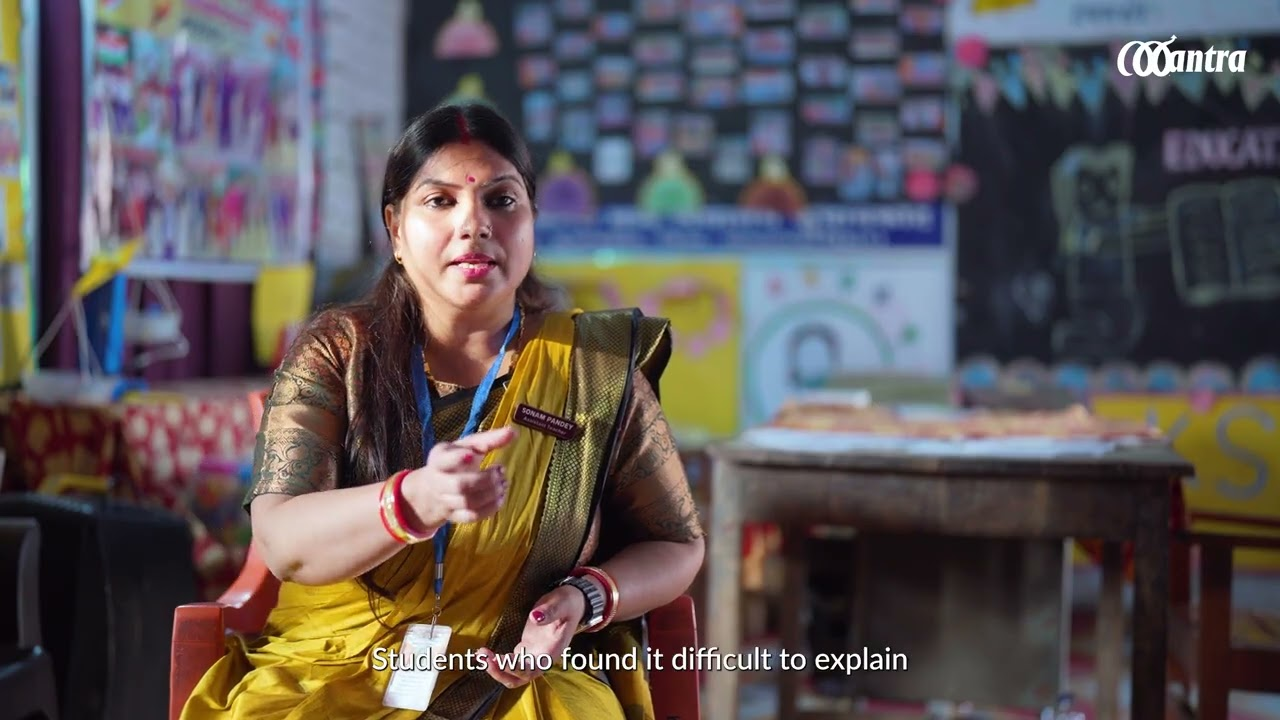
Project-Based Learning (PBL) is being implemented in Bihar to improve how science and math are taught in Grades 6 to 8 in government schools. The approach focuses on helping students understand concepts through hands-on projects that connect classroom learning to their daily lives. By encouraging students to ask questions, explore ideas, and work together, PBL moves away from rote memorization and promotes deeper learning. The intervention aims to make classrooms more engaging and student-centered, helping learners build problem-solving and critical thinking skills.
Hear firsthand experiences from those at the heart of our work.

Project-Based Learning (PBL) has been introduced in 300 government schools across Dimapur and Kiphire districts in Nagaland, focusing on English and Math for Grades 4 and 5. The intervention promotes participatory and inclusive classrooms by connecting textbook content with students’ local context. Teachers have been trained and supported through Professional Learning Communities (PLCs) and mentoring from EBRCs and block officials. Students engage in projects that link academic concepts to real-life experiences, for example, writing storybooks based on local folktales or calculating daily expenses from the market. A PBL Dipstick assessment was conducted in 8 schools, involving 100 students across both districts, with classroom observations and evaluations used to track student learning and communication skills.
Hear firsthand experiences from those at the heart of our work.


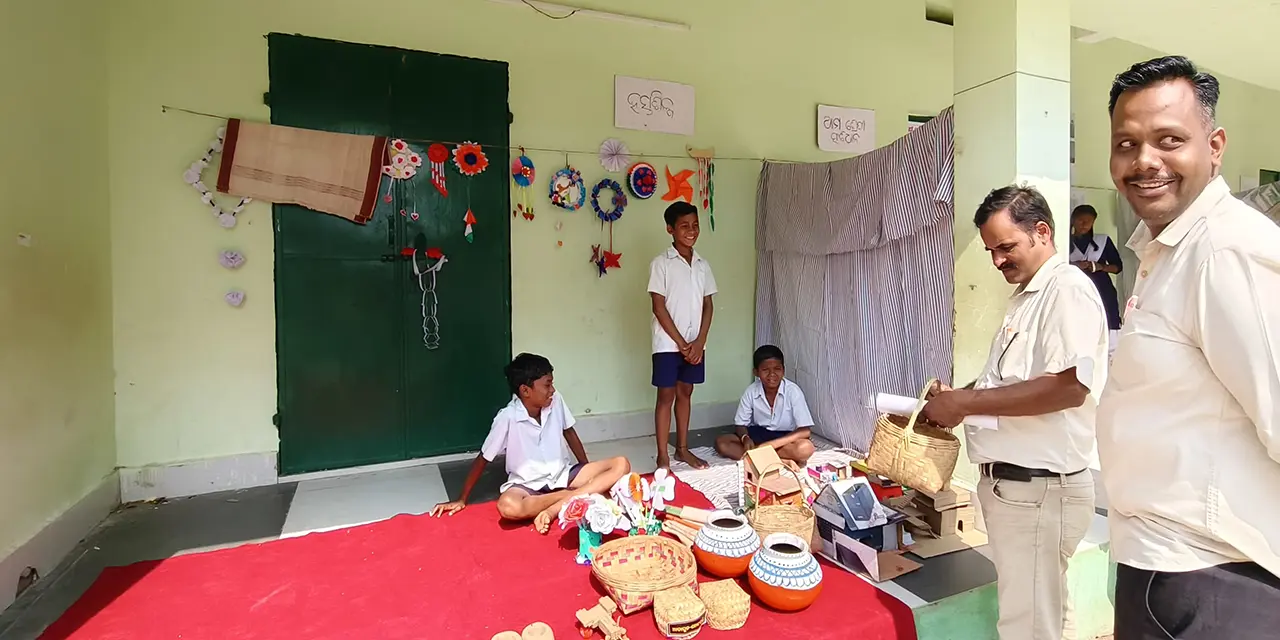
Project-Based Learning (PBL) is being implemented across residential schools under the ST & SC Development, Minorities and Backward Classes Welfare Department (SSD) in Odisha. The intervention focuses on making classroom learning more engaging and relevant by encouraging students to work on projects connected to their local environment, culture, and everyday experiences. Designed for middle school grades, PBL helps students build critical thinking, collaboration, and communication skills. It also creates space for students to take pride in their cultural identities while deepening their understanding of core academic subjects.
Hear firsthand experiences from those at the heart of our work.


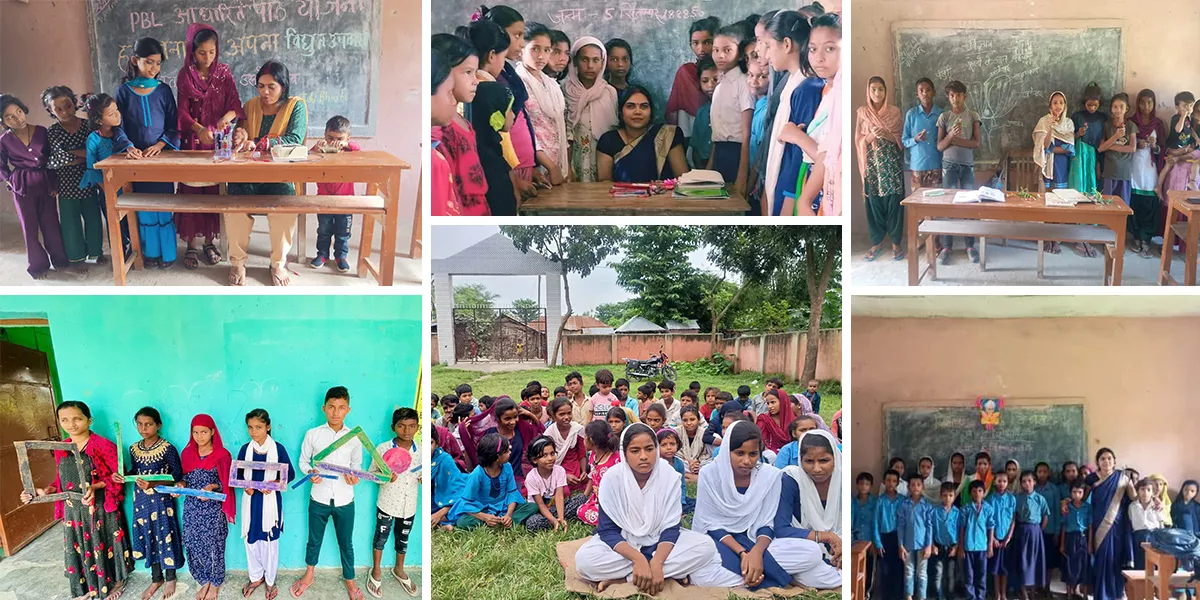
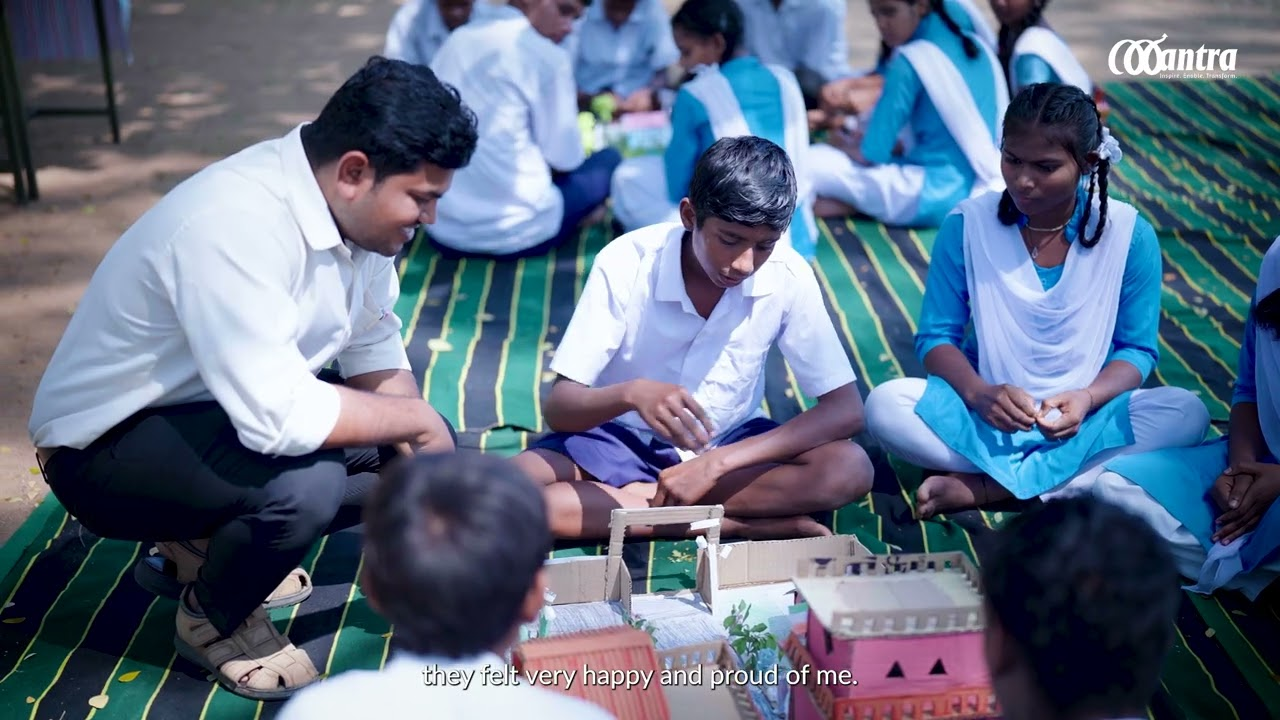
See how students, teachers, and communities are coming together to make learning joyful and meaningful through Project-Based Learning.
Download practical resources and tools to support educators in bringing effective teaching practices inside the classroom